
As South Africa celebrated Women’s Month in August 2025, ACTOM emphasised the vital importance of fostering gender-inclusive economies. Launched in 2022, the company’s Women’s Empowerment Programme is more than just a corporate social investment; it is a deeply embedded initiative aimed at promoting economic independence for women, thereby directly supporting the country’s overall growth.
Building Skills and Launching Entrepreneurs
Recognising the vast potential within disadvantaged communities near ACTOM’s Germiston facilities, the Women’s Empowerment Programme provides young women with vital skills and comprehensive entrepreneurship training. This targeted approach tackles the high unemployment rates in these areas—a situation worsened by the growth of informal settlements, which housed approximately 120,000 people in 2019, with numbers increasing substantially since then.
The programme provides training in various trades, including sewing, plumbing, carpentry, electrical work, and beauty skills, alongside a “New Venture” learnership that enables participants to start and run their own businesses. Initially, twenty women were chosen for this transformative opportunity, each representing the potential for notable economic contribution.
“Investing in training and skill development is the most sustainable form of socio-economic progress. It equips women with lifelong tools, creating a ripple effect of empowerment,” states Sylvester Makamu, Group Human Capital Director at ACTOM. “This goes beyond temporary relief; it’s about building foundational skills that will benefit these women and their communities for generations to come.”
Izintombi Zodwa Trading: A Success Story in Sewing
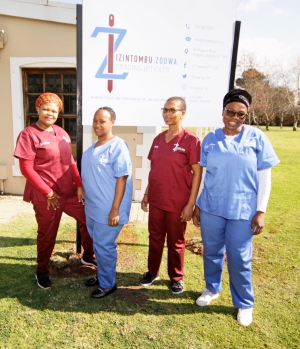
The success of Izintombi Zodwa Trading highlights the programme’s outstanding impact. Founded by Nozuko Mtsila, Nteokase Mosima, and Khonzeka Mdleleni, this sewing enterprise operates from ACTOM’s premises and has become a significant supplier to the ACTOM group. With ongoing mentorship and support, these women produce corporate and protective clothing for factories, demonstrating the substantial progress they have achieved towards economic independence. Their journey serves as a powerful example of how the programme leads to tangible financial growth and the development of sustainable livelihoods.
ACTOM’s initial support in helping them register their business, providing vital workspace and equipment, and offering ongoing, experienced business mentorship has been crucial to their growth. A key milestone for this female-led business was successfully producing branded t-shirts for a marathon with 1,000 participants, demonstrating their ability to manage large-scale projects and uphold high-quality standards, thereby strengthening their position as a dependable and valued supplier.
“This isn’t just about skills transfer; it’s about igniting confidence and developing future entrepreneurs who will drive the economy,” adds Makamu, highlighting the programme’s broader objectives. “Witnessing the growth of Izintombi Zodwa Trading from a concept within our empowerment programme to a functioning, contributing business is the ultimate validation of our commitment.”
A Call to Action for Corporations
ACTOM’s programme has successfully shifted from socio-economic development to enterprise growth and is now emphasising supplier development. The organisation encourages other companies to actively take responsibility in promoting gender equality and fostering economic inclusion.

The long-term aim is to ensure these businesses prosper and generate additional employment, fostering a fairer and wealthier South Africa. The company holds that businesses have a duty to invest in their communities, and such investments should be both strategic and sustainable.
ACTOM’s initiative serves as a model for other companies, demonstrating how targeted investments in women’s empowerment deliver significant economic and social advantages. “It’s not just about ticking boxes. There’s a strategic connection between socio-economic development, enterprise, and supplier development, creating mutually beneficial, long-term partnerships that serve both business and community,” concludes Makamu, reinforcing the strategic approach.